At a time where the boundaries between art and design seem to fade, the Collectible Brussels has emerged as a defining voice in the evolution of 21st-century collectible design.
Held annually in Brussels, within the modernist Vanderborght Building, the fair has rapidly positioned itself as the global platform for contemporary collectible design. Championing limited-edition works, functional sculpture, and boundary-pushing material experimentation, its international reach has united galleries, independent studios and design collectives with curators, institutions and foundations across both established and emerging voices.
But the heart of this narrative lies closer to home, with the rise and resonance of Belgian designers shaping the discourse from within.
From Brussels to the World: How Collectible Became a Global Design Fair
Since its inception, Collectible has challenged the traditional fair model. Rather than separating design from art, it embraces their convergence, placing emerging designers alongside established galleries in a curated, forward-looking ecosystem.
This approach has attracted a global network of collectors and institutions, reinforcing Belgium’s reputation as a fertile ground for conceptual and collectible design. The fair’s expansion to New York, at the landmark WSA, COLLECTIBLE, signals its growing international ambition and its role as a platform where new practices emerge, placing at the forefront unique pieces and world premieres.
The country’s long-standing strengths: craftsmanship, surrealist heritage, and a culture of experimentation, find a contemporary voice through the fair.
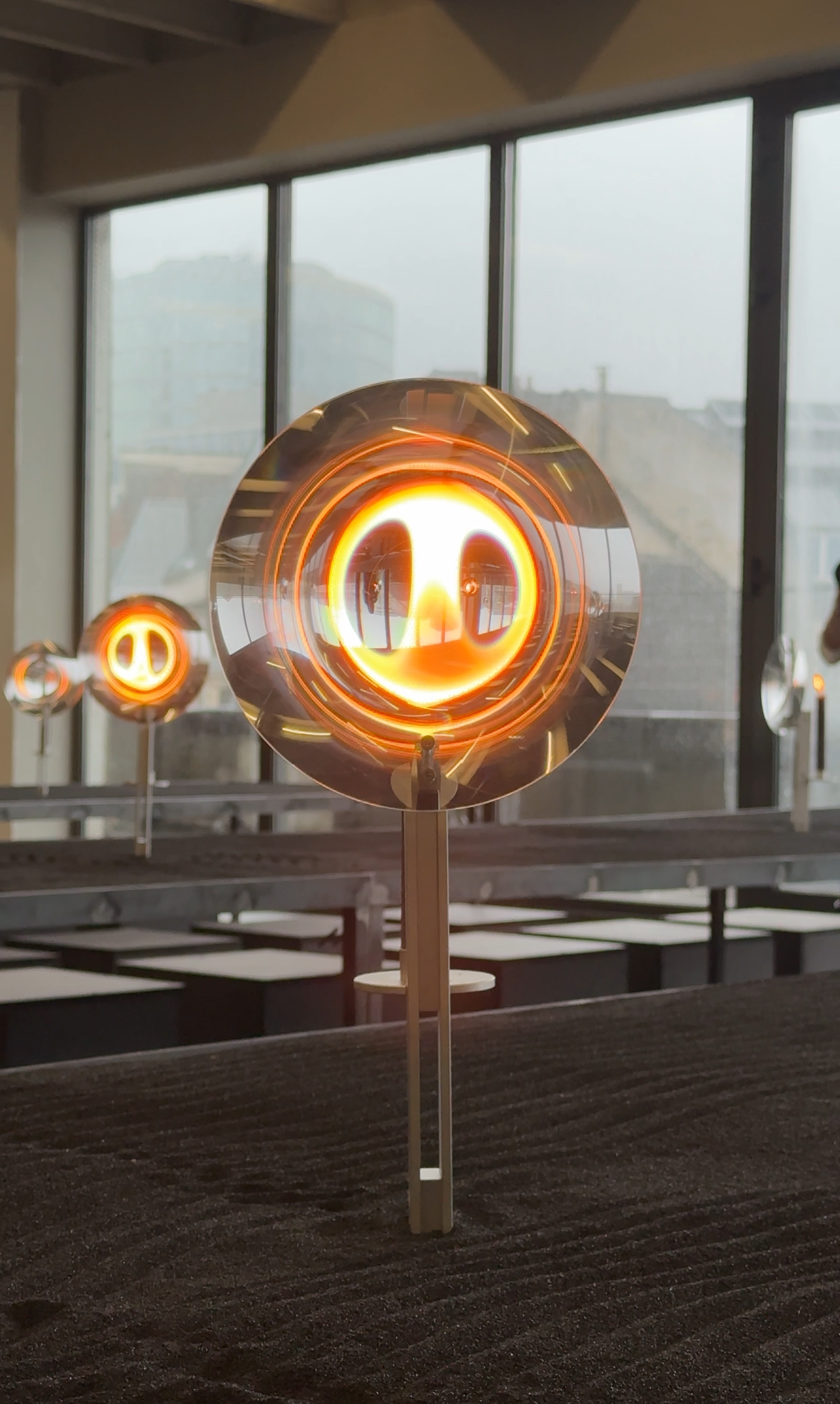
Belgian Designers to Watch: Material Innovation and Contemporary Collectible Design
A defining feature of the Belgian designers showcased at the fair is their ability to merge intellectual rigor with material sensitivity. Their works often exist at the intersection of narrative, function, and sculpture; objects that invite both use and contemplation.
The designers presented signal a decisive shift in how Belgian design is produced and perceived. La peau de l’ours, Bisa Studio, ÆTHER/MASS, N° by inside-insight, and Tristan Montabord-Marc, they all exemplify a new wave of practices grounded in experimentation, process, and material research.
Their work reflects a move away from traditional typologies toward more open-ended, investigative approaches. Materials are often treated as protagonists: raw, recycled, or re-engineered, revealing their inherent textures, tensions, and possibilities. In many cases, the design process itself becomes visible, embedding narratives of making, transformation, and imperfection directly into the final piece.
Questions of sustainability, circular production, and responsible sourcing are not treated as constraints, but as catalysts for innovation. Digital fabrication techniques coexist with artisanal methods, creating hybrid objects that challenge distinctions between craft and technology.
What unites these practices is a distinctly Belgian sensibility: understated yet radical, intuitive yet highly considered. Together, they position Belgium not only as a contributor to the collectible design field, but as one of its most forward-thinking laboratories.
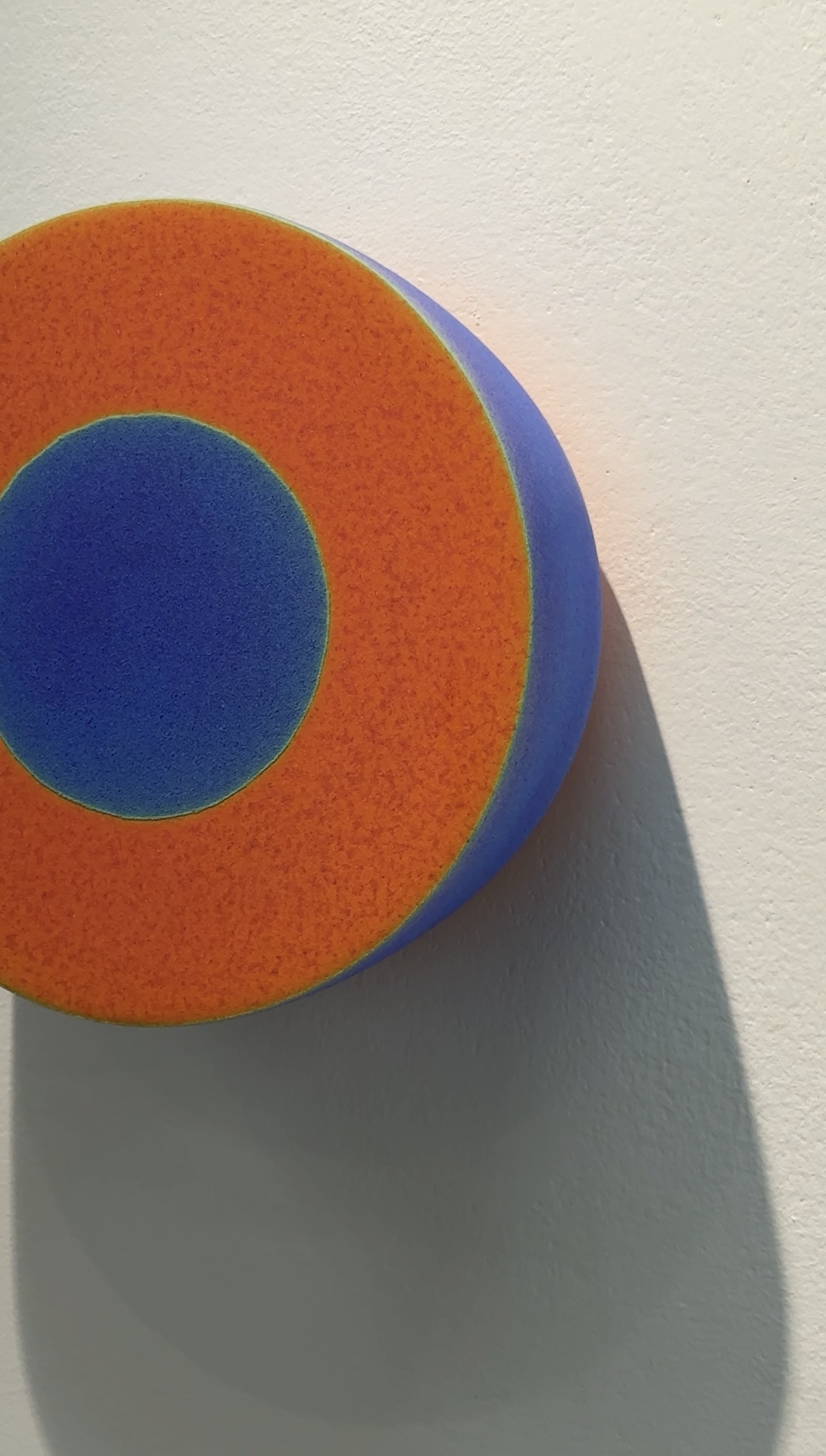
How Collectible Brussels Is Redefining the Collectible Design Market
For decades, collectible design has been dominated by historic names and secondary-market icons. Collectible disrupts this by prioritizing living designers and new commissions, effectively creating a primary market for design as art.
Its layout is articulated around clear curatorial affinities, encompassing practices ranging from functional design and decorative arts to more radical experimentation.
Its structure reflects this ambition through clearly articulated curatorial sections:
- MAIN brings together leading galleries presenting tightly conceived presentations.
- BESPOKE offers a dedicated platform for independent studios to showcase commissioned and made-to-order pieces.
- NEW GARDE nurtures the next generation, putting forward young galleries, collectives, and project spaces on an international stage.
- ARCHITECT DESIGNER celebrates the decisive role of architects in shaping contemporary interiors, presenting their latest furniture collections.
In this sense, Collectible acts as both marketplace and incubator, where experimentation is not only encouraged but economically viable.
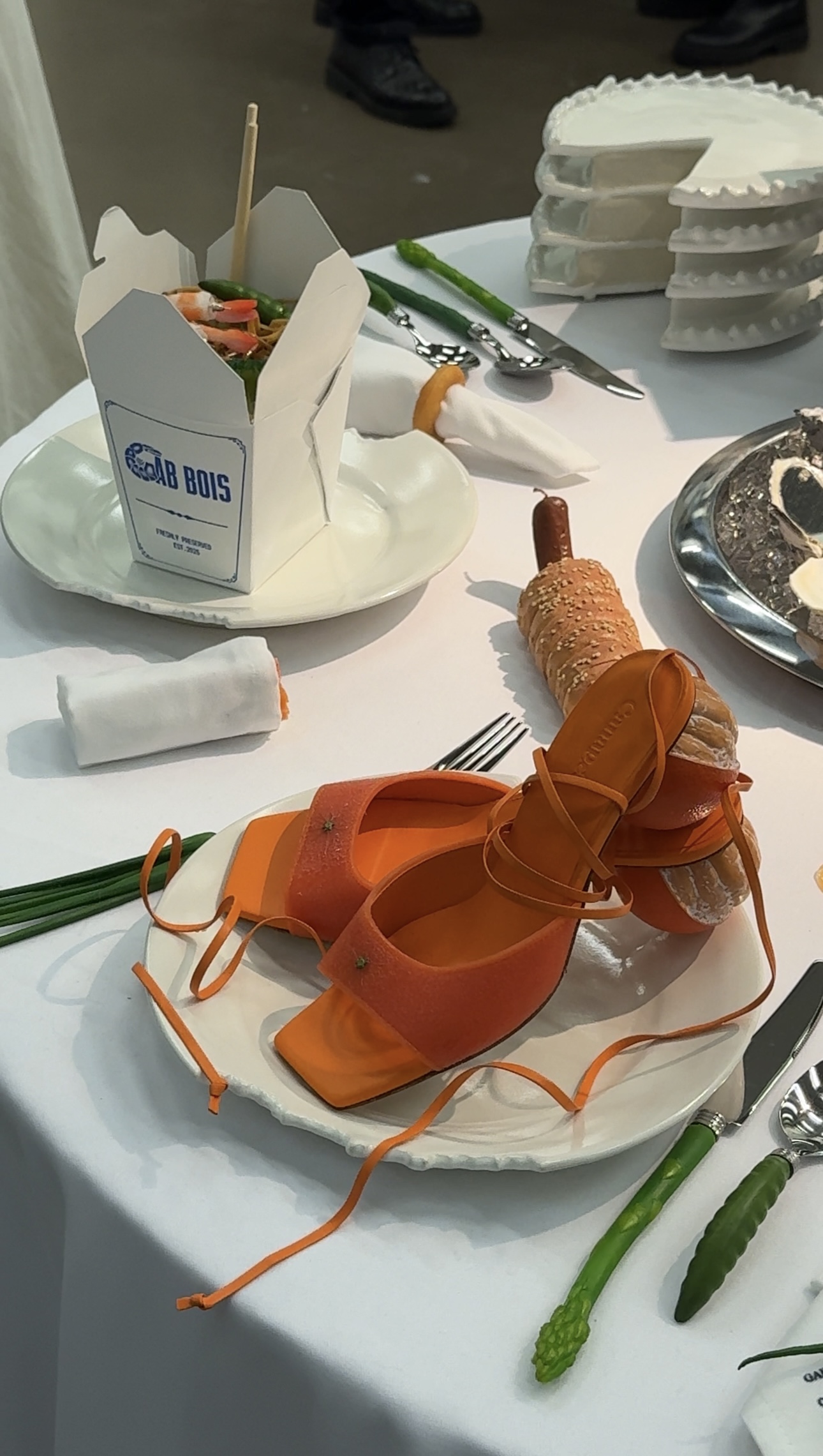
New Sections at Collectible 2026: TABLESCAPES, CURATED, and Emerging Design Talent
Each edition introduces new perspectives that extend the definition of collectible design.
This year sees the launch of TABLESCAPES, exploring contemporary approaches to the arts of the table as a space of design, hospitality, and social interaction. Meanwhile, the CURATED section, directed by Marine Mimouni, investigates “Echoes of Use”, examining how furniture can carry memory across emotional, tactile, and material dimensions.
The fair also continues its collaboration with Bellerose, which, together with Lukas Cober, conceives the scenography of the entrance. The partnership culminates in the Bellerose Prize, supporting the development of a new design piece in dialogue with the brand, further reinforcing the intersection between disciplines.
Why Brussels Is Europe’s Rising Hub for Collectible Design
The choice of Brussels is central to the fair’s identity. Positioned at the crossroads of Europe, Brussels offers a unique blend of accessibility, cultural diversity, and institutional presence.
Unlike larger, more commercialized art capitals, Brussels provides a more intimate and focused environment, one that aligns with Collectible’s curated, research-driven ethos. The city’s strong network of galleries, collectors, and design schools further reinforces its role as a nucleus for contemporary design thinking.
During the fair, this ecosystem becomes fully activated: exhibitions, installations, and off-site events transform the city into a living laboratory for collectible design.
City-Wide Design Events: Villa Empain and MAD Brussels Exhibitions During Collectible
During Collectible, Brussels evolves into a living platform for design through parallel exhibitions and collaborations.
At Villa Empain, the exhibition Zaventem Ateliers highlights one of Belgium’s most influential creative hubs, offering insight into the collaborative practices and cross-disciplinary experimentation that define its community.
Simultaneously, MAD Brussels presents Home Sweet Home, an exhibition exploring contemporary interpretations of domesticity, further extending the fair’s themes into questions of living, identity, and design’s role in everyday life.
Together, these initiatives amplify Collectible’s impact, positioning Brussels not just as a host city, but as an active participant in shaping contemporary design discourse.
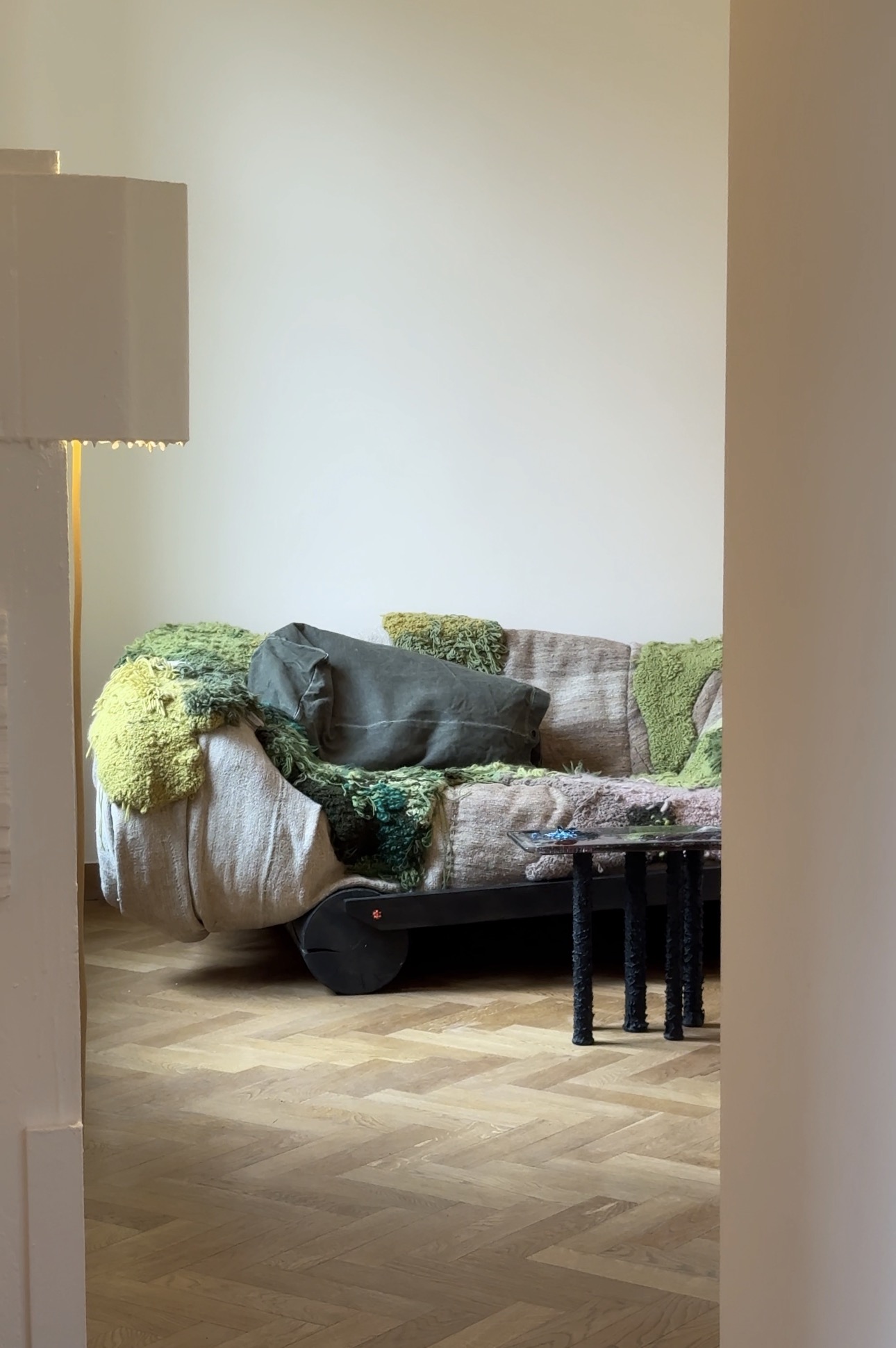
Beyond the Fair: Why Collectible Brussels Is Shaping the Future of Design
What distinguishes Collectible Brussels is the clarity of its vision. Under the direction of founders Clélie Debehault and Liv Vaisberg, the fair has been carefully constructed around strong curatorial affinities, bridging functional design, decorative arts, and experimental practices.
It does not attempt to be all-encompassing. Instead, it has carved out a precise and influential niche, one that resonates with the current cultural moment.
By championing Belgian designers alongside global voices, the fair achieves something rare: it remains locally rooted while globally transformative.
In doing so, it not only showcases the future of design, but actively builds it.
Linked articles
Related articles
Belgian Performing Arts at the Fringe 2026

Denis Sungho: The Belgian-Korean Guitarist Connecting Europe and Asia Through Music
From Music to Ceramics: Wallonia's Expanding Presence in the UNESCO Creative Cities Network