From Liège to the world, Belgian company Trasis is transforming nuclear medicine through innovative technologies that support cancer diagnosis, treatment and patient care.
Named Belgium's Company of the Year 2025 last December, Trasis has established itself as a global leader in nuclear medicine in just over two decades. The Liège-based company offers innovative and automated solutions for the diagnosis and treatment of cancer and degenerative diseases. Founded in 2004, the group now employs 490 people and exports more than 99% of its sales to over 65 countries. A remarkable entrepreneurial trajectory.
 © Trasis
Advancing Nuclear Medicine Through Innovation
Operating in a highly specialised sector, Trasis has built its success around a clear ambition: accelerating access to innovative diagnostic and therapeutic agents to improve care for patients with serious illnesses.
"We are players in nuclear medicine," says Gauthier Philippart, co-founder and CEO of Trasis. "We design, manufacture and market state-of-the-art equipment and solutions, automata for the synthesis and distribution of doses of radiopharmaceuticals for diagnostic and therapeutic purposes of various types of cancer and neurodegenerative diseases. We are in the entire development chain of these drugs, whether to produce them or to give them to patients. In 2025, four and a half million of them have already benefited from our products.”
These technologies are used by pharmaceutical companies and hospital nuclear medicine departments to prepare and administer radiolabelled substances.
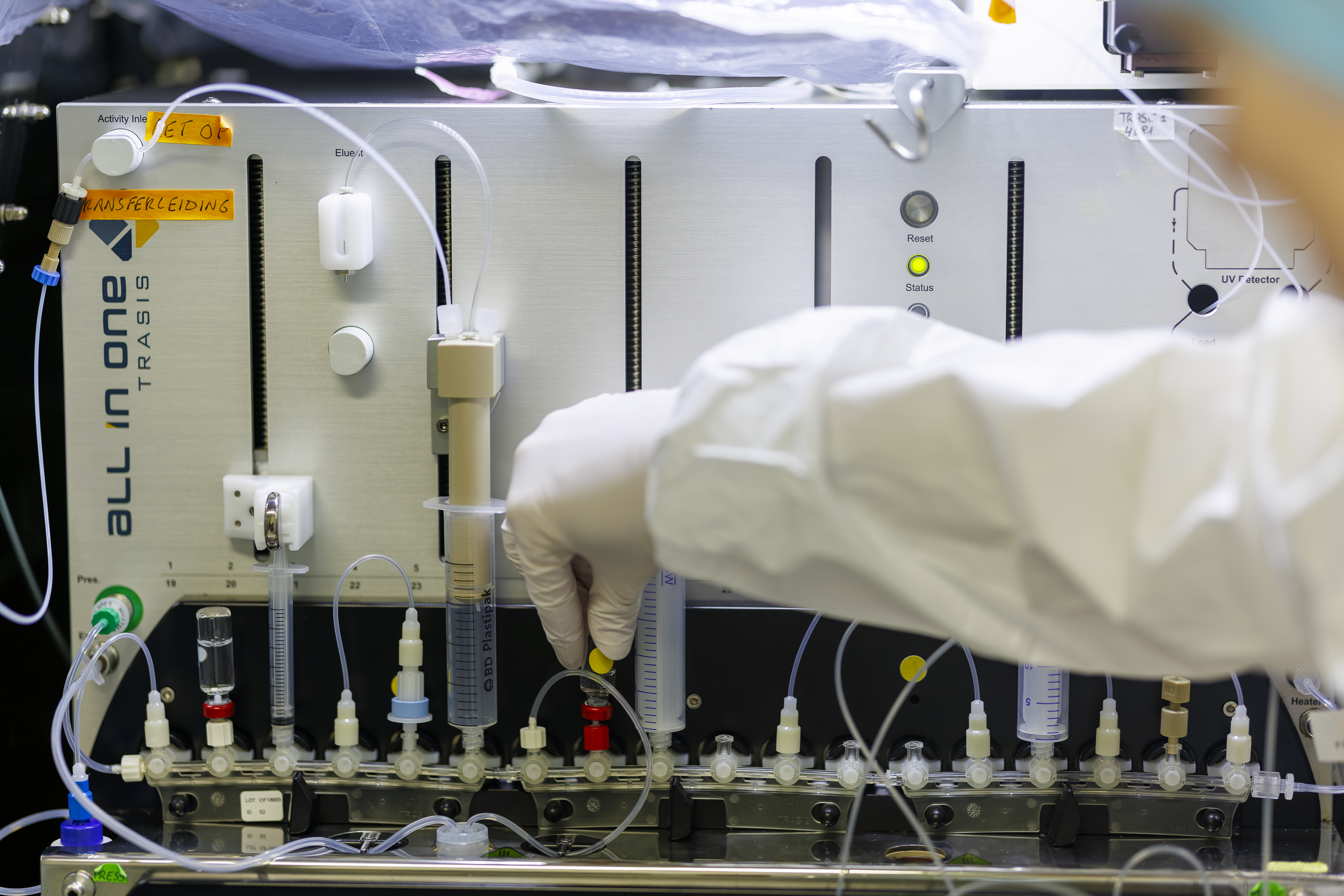
“We have designed an automaton, the Unidose, capable of preparing individual doses of radiopharmaceuticals. These are dispensed in an armoured container, which then transforms into an injection device that can be used directly on the patient, thereby reducing exposure for nurses. The automation of this step avoids a tedious manual preparation that is highly exposed to radiation."
Improving Radiation Protection in Hospitals
The Trasis story began with two entrepreneurs from different professional backgrounds but united by a shared vision. Gauthier Philippart , an engineer and the company's CEO, and Jean-Luc Morelle , a physicist, co-founder and Chief Technology Officer, established Trasis in 2004.
Their initial objective was to develop automated dose-dispensing systems that would improve radiation protection in hospitals.They focused on this technology because they believed it offered the greatest potential improvement in radiation safety relative to the investment required.
Their hypothesis proved correct. The technology developed rapidly, particularly as it became clear that nursing staff were exposed to significantly higher levels of radiation than previously assumed.
But automated dose dispensing was only the beginning.
 © Trasis
While Trasis' first products were machines that divided radiopharmaceutical substances into individual, ready-to-inject doses, the company subsequently expanded its portfolio to include synthesis systems.
Today, its equipment and services also play an important role in the research and development of new therapies.
"These platforms make it possible to implement the manufacture of different drugs that each meet particular clinical applications. Since 2011, we have been working to diversify the synthetic molecules, to add more on these devices, and also to diversify the types of isotopes with which we will be able to work with our machines. This responds to an evolution in our sector."
Advances in nuclear medicine have also made it possible to manufacture radioactive medicines for therapeutic purposes. “We do not manufacture the drugs, but the devices and innovative methods for manufacturing molecules that pharmaceutical companies will produce.
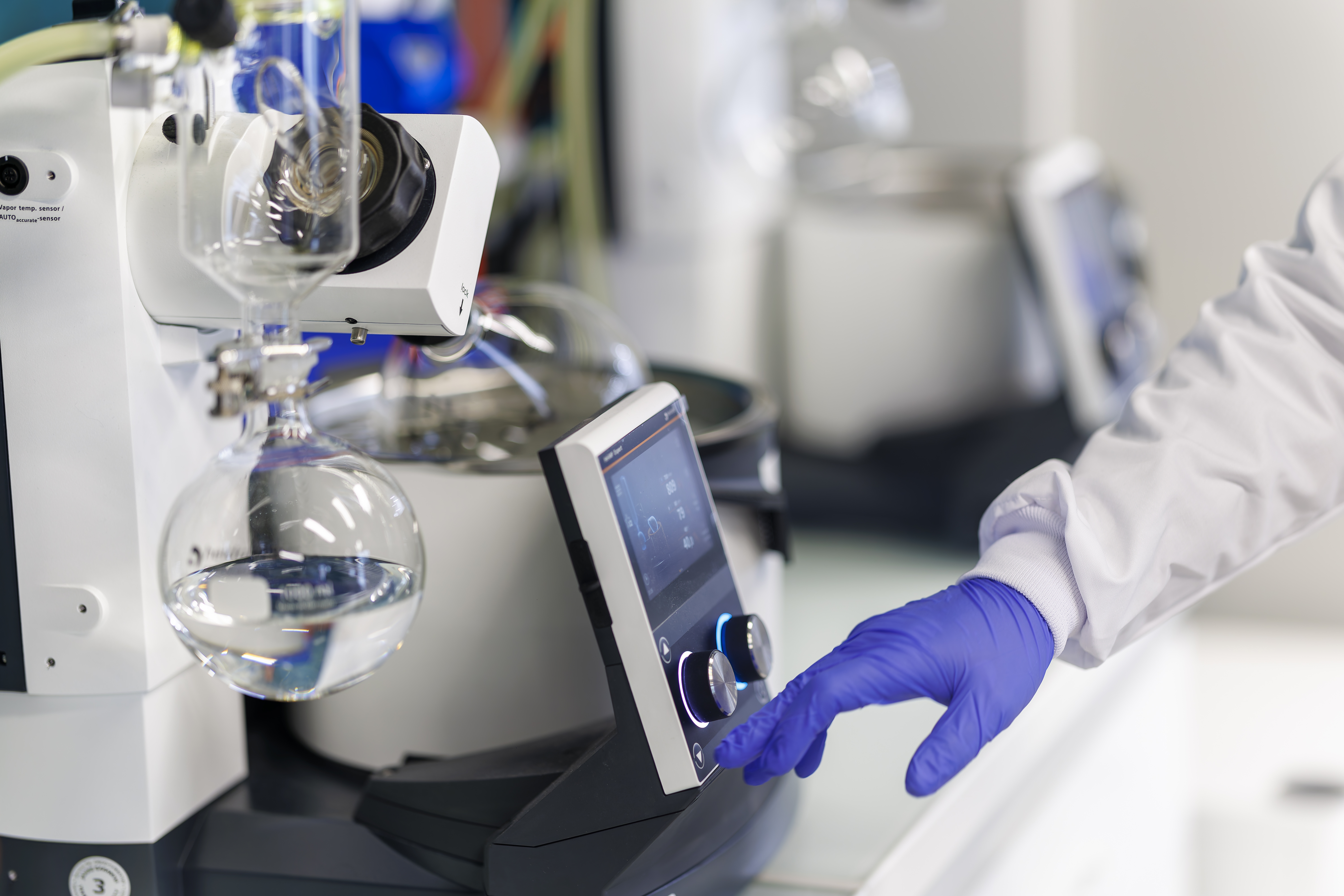
We are working to automate and industrialize the labelling of these molecules with a radioactive isotope. The idea is to develop an original recipe, then implement it on the automated equipment. A clean room allows us to manufacture our consumables, between 30,000 and 50,000 per year.”
A Global Presence Across Five Continents
Trasis made its first sales in 2008, having recognised from the outset that its highly specialised market required an international approach.
"Nuclear medicine is a niche market, so we targeted international customers from the very beginning. We built our reputation by attending trade fairs, travelling, meeting people and listening to their needs."
The strategy paid off. Between 2019 and 2024, Trasis recorded average annual growth of 25%, reaching a turnover of €88 million in 2025, with more than 99% of its production exported.
 © Trasis
"We generate about one-third of our revenue in the US, one-third in Europe, the Middle East and Africa, and one-third in Asia Pacific." The Liège-based company serves three main customer segments.
"First, companies that will develop new drugs, including public or private research centres. Then, pharmaceutical companies specializing in radiopharmaceuticals such as Novartis, for example. Finally, the third segment is made up of hospitals for their nuclear medicine department."
To reach these markets, Trasis works through a combination of direct sales, agents and distributors.
"Choosing the right partners requires an understanding of each country's culture. Our distributors must be professionals with expertise in our sector. Selling equipment to hospitals requires a strong understanding of medical terminology.
In Italy, our distributor has an extensive local network, while in Spain we operate directly. In China and Japan, we work with distributors."
Today, Trasis operates in more than 65 countries, with a workforce of 490 employees. More than 400 are based in Ans, near Liège, while approximately 30 work in Grenoble, France, 15 in Atlanta, Georgia, in the United States, and another 30 in Beijing, China.
"We are present on all five continents and have established several subsidiaries. Because this technology represents a significant investment for healthcare systems, our products are primarily intended for countries with the economic capacity to offer nuclear medicine services.
We operate in every country where nuclear medicine is available."
Developing New Medicines and Expanding Infrastructure
Trasis continues to grow, driven by both the expansion of nuclear medicine and its own investment in innovation.
"There are several reasons for our continued development. Overall, nuclear medicine is growing by about 10% each year. We are grabbing market share from competitors. Since 2010, we have been involved in the development of new substances and drugs.
We help to manufacture them reliably and to meet new needs. Over time, every year in hospitals, there is an increase in PET scans. It was necessary for us to support them in facing this increase. Working upstream and downstream allows for the development of new products. This medical technology has proven itself, it is very efficient. It could lead to the cure of a greater number of cancers in the world."
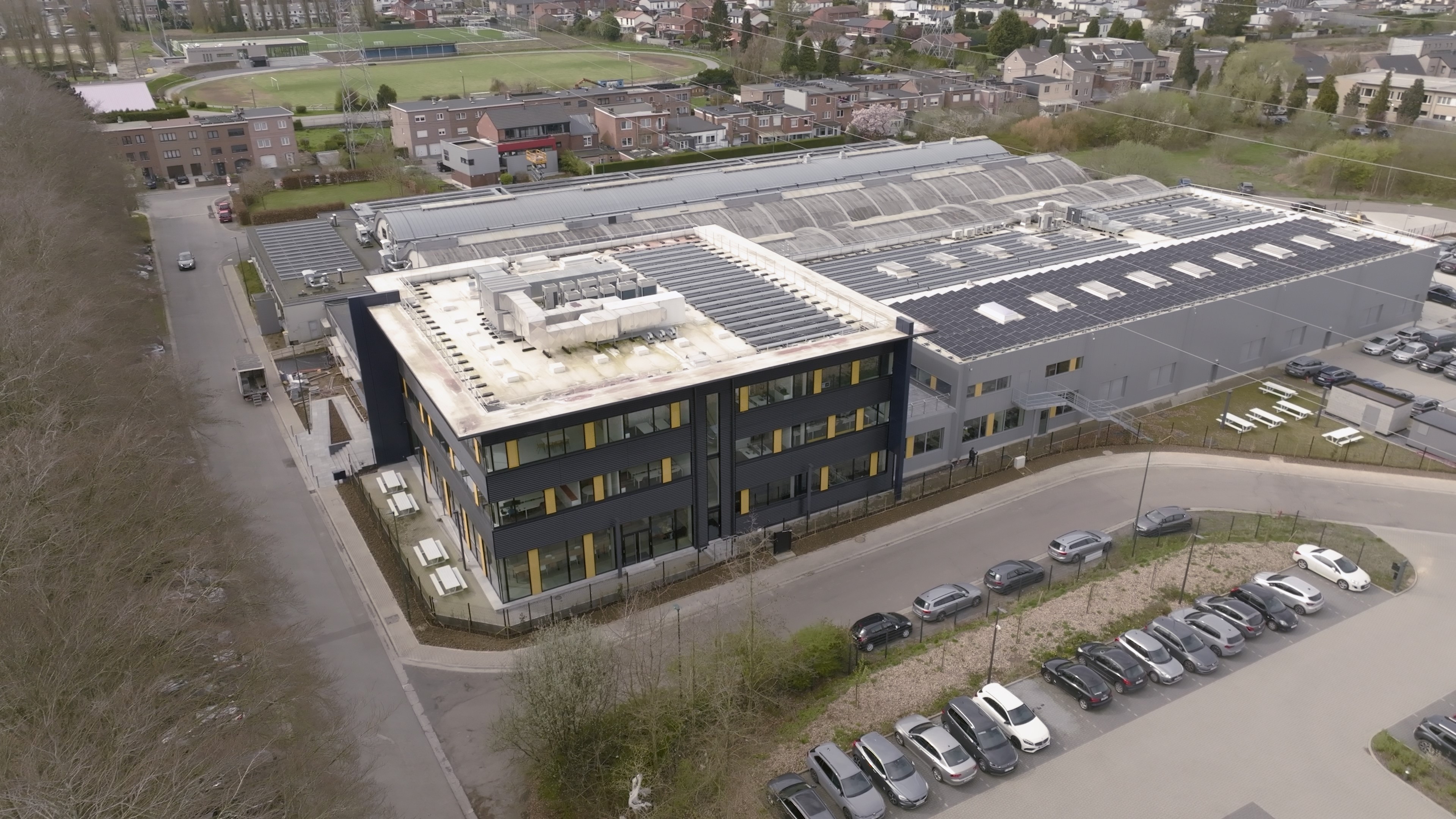
To mark its 20th anniversary in 2024, Trasis inaugurated a new building alongside its existing facilities in Ans.
 © Trasis
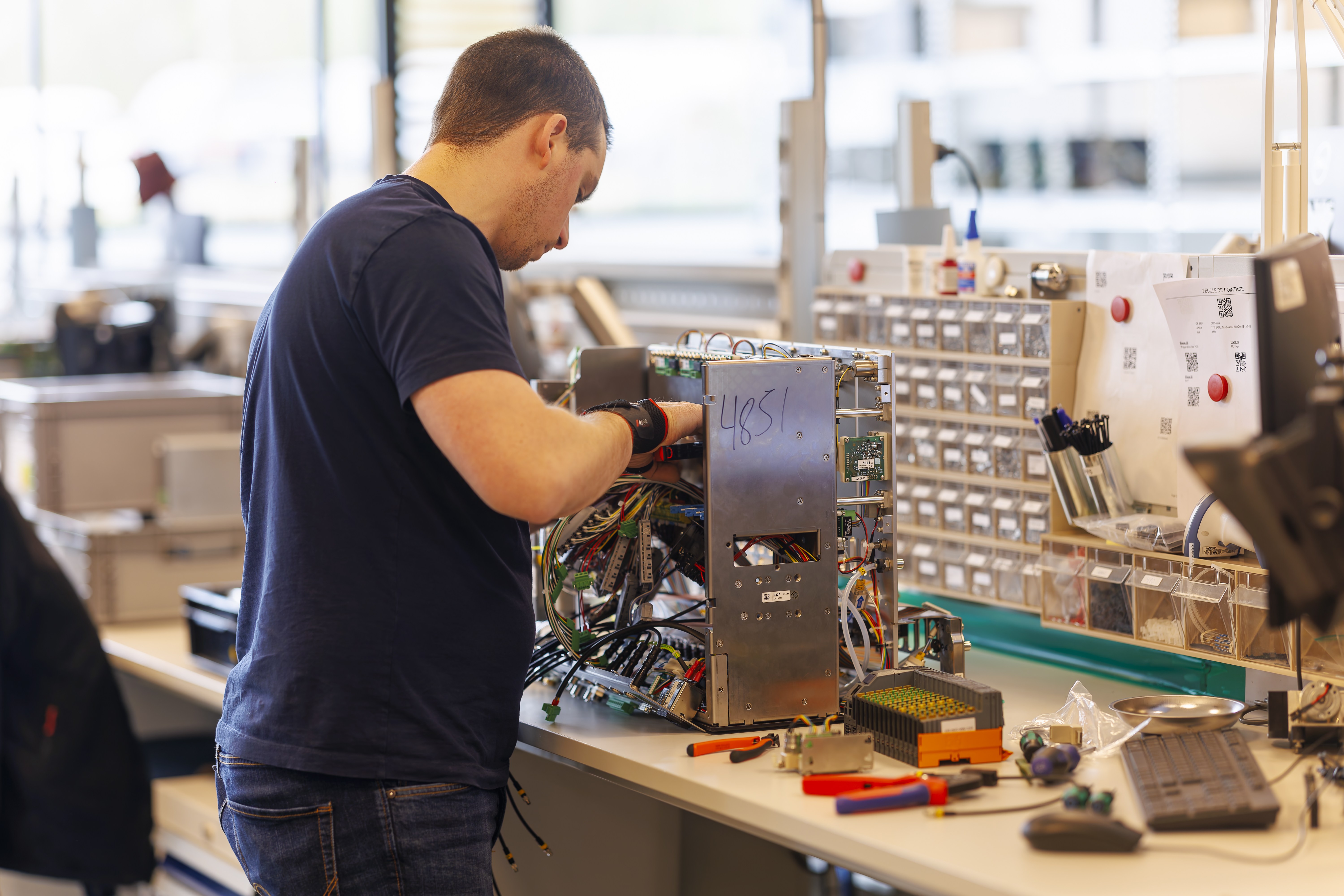
"We are developing mini-laboratories that will make it possible to manufacture radioactive drugs. The goal is to treat cancers by reading images from PET scans. This 5,000 m2 building is occupied by the employees, who are always more numerous. There are about 700 to 800 m2 that are used to make machine assemblies. And then, there is another rather important component: these are clean rooms in which plastic pipes are assembled. Medicinal substances are also put into bottles."
As the company has expanded, it has structured its operations around its different business segments, with dedicated departments supporting each area.
" Obviously, all our services are organized for the supply chain: production, quality control. We are working to develop new drugs, to help carry out a clinical study, to produce."
Strengthening Its Position in China
In late November 2025, Trasis announced a joint venture with Beijing PET Technology Co. Ltd, its exclusive distributor of synthesis systems in China since 2014. The partnership aims to strengthen and expand more than a decade of collaboration in nuclear medicine.
The new entity combines Trasis' expertise in radiopharmaceutical technologies with Beijing PET Technology's knowledge of the Chinese healthcare market and established distribution network.
Trasis holds a majority stake in the joint venture.
“China is developing its nuclear medicine sector strongly through government planning and investment, with the ambition of tripling or quadrupling the size of the market by 2035.
We share the same values of proximity with our users and we want to be at the forefront of innovation in nuclear medicine. By combining a local presence with our radiopharmaceutical expertise, we aim to provide the Chinese market with reliable, high-quality and efficient solutions within a clear and stable framework.”
The joint venture operates under the name Trasis Beijing. The agreement was officially finalised in early 2026, with commercial assets and activities progressively transferred from Beijing PET Technology Co. Ltd to the new entity.
This international expansion came shortly before another major milestone: in December 2025, Trasis was named Company of the Year 2025.
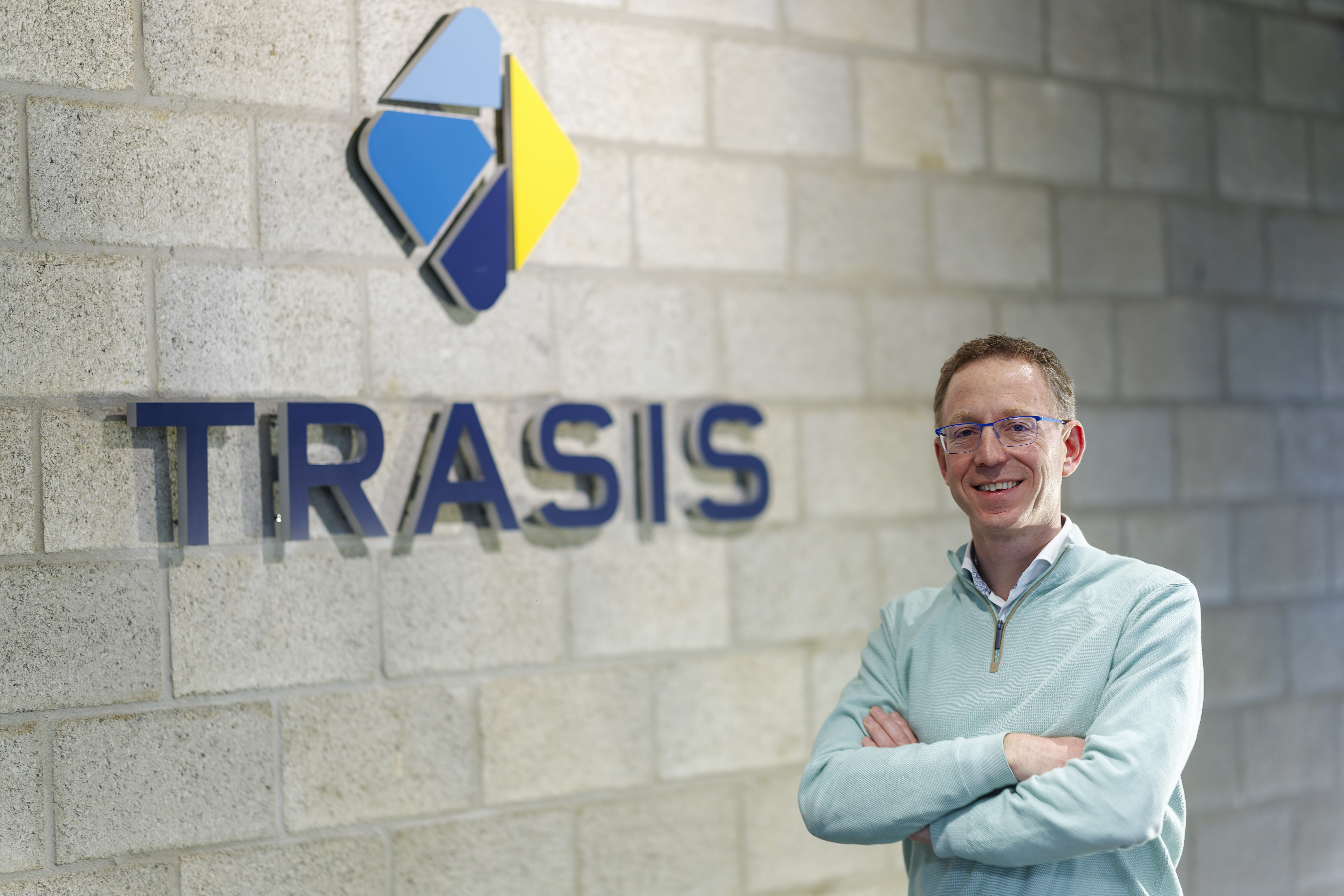 Gauthier Philippart, cofondateur et CEO de Trasis © Trasis
Investing €40 Million in Wallonia's Life Sciences Future
Trasis' success story continues in 2026, with another major investment strengthening its roots in Wallonia.
The company has recently completed the acquisition of pharmaceutical company Mithra's former production site in Flémalle, near Liège, as part of its plans to expand its regional infrastructure. The six-hectare site includes 2,800 square metres of cleanrooms and 2,200 square metres of laboratories. The acquisition is expected to allow Trasis to begin operations at the facility in early 2027.
By repurposing an existing, partially unused industrial site, the company can expand more quickly and at a lower cost than constructing an entirely new facility.
The total investment, including the acquisition and upgrades required to bring the site into compliance with regulatory standards, is estimated at €40 million. The facility has the capacity to accommodate up to 300 employees and will be occupied progressively as operations expand.
Looking ahead, Trasis aims to create 300 new jobs by 2030, reinforcing its commitment to the Liège region and Wallonia's growing life sciences industry.
From a small Belgian start-up to an international leader in nuclear medicine, Trasis demonstrates how technological innovation, long-term vision and local expertise can make a global impact.
And for this Walloon success story, the journey is far from over.
Written in french by Jacqueline Remits for W+B 172 for Wallonia-Brussels International
Cover image: Gauthier Philippart et Jean-Luc Morelle, cofondateur et CTO de Trasis © Trasis
Linked articles
Related articles

Wallonia’s Agricultural Biosolutions: Innovation from Farm to Field

SAVVY Interior Design: Where Circularity Meets Belgian Craftsmanship
From Waste to Resource: How Belgian Company Composil Is Reinventing Carpet Recycling in Europ